Understand
Retrieve permitted knowledge and task context.
From claim intake to verified service requests, agents can read approved documents, prepare decisions and complete permitted steps while people approve exceptions.
Follow a sample insurance claims workflow. Each lane has a separate job: handling evidence, running permitted actions, or asking a human for judgment.
Identity checked · tools allowlisted · facts source-linked
Illustrative process; not a connected real-world claims system.
Start with a claim, citizen request, engineering handoff or document review—then see exactly what an agent can retrieve, prepare and route.

Extract and route claim files, identify exceptions and prepare review packs.
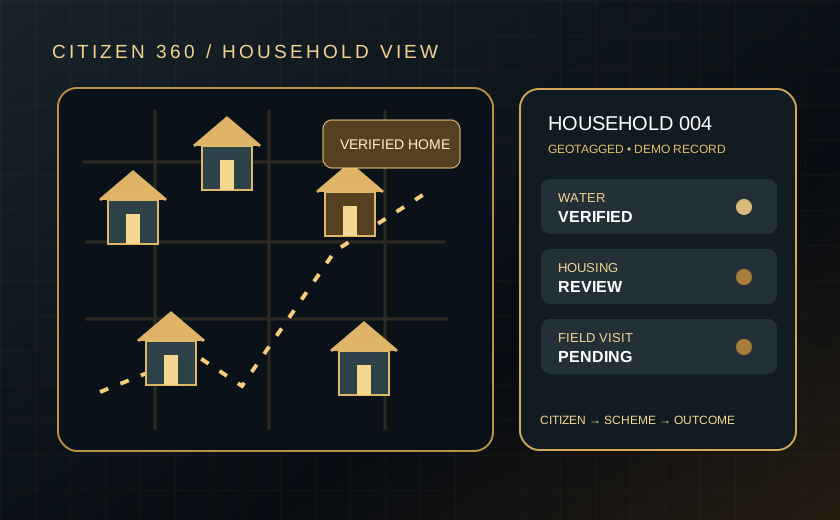
Guide case intake, status checks and handoffs to departments.

Coordinate specialist agents across the SDLC with human approvals.
Use approved policy sources to identify missing evidence and needed action.
An agent must know which documents it can access, which tools it can use and when its next action requires a person to approve.
Retrieve permitted knowledge and task context.
Choose a bounded route, tool and success condition.
Use allowlisted tools with identity checks.
Check outputs and escalate consequential decisions.
A successful pilot records task completion, incorrect actions, justified escalations, exception handling and time recovered by the team.
A practical example of bounded automation—not a promise that every task can safely run without people.
Collect a claim packet, identify document types and check whether mandatory information is present. Incomplete submissions are routed back for clarification.
Retrieve the correct policy rules and compare the evidence against permitted conditions. Missing sources or conflicting data are flagged rather than guessed.
Produce a review-ready summary with sources, exceptions and next actions. A human reviewer controls consequential decisions and authorised system updates.