Condition, load and history
Join temperature or vibration readings to age, operating stress, prior inspections and maintenance records. Check telemetry integrity first.
Join equipment telemetry, historical faults and inspection findings into explainable warnings that maintenance engineers can verify before acting.
A model cannot repair a transformer. Its role is to connect sensor readings and maintenance context so qualified teams can prioritise investigations.
Compare readings with operating baseline, inspect exceptions and approve work-order action.
Explore utility operations ↗A temperature alarm without loading history or past maintenance can generate noise. Bring those records together before ranking a fault.
Repeated alarms, missed warning patterns and delayed inspections leave teams working from isolated evidence.
Collect telemetry, validate its quality, compare current readings with asset-specific baselines and route exceptions to engineers.
IoT, SCADA, visual inspections and service events.
Rules, anomaly models and known failure signatures.
Engineer review by risk and asset criticality.
Approved maintenance, repair and feedback.
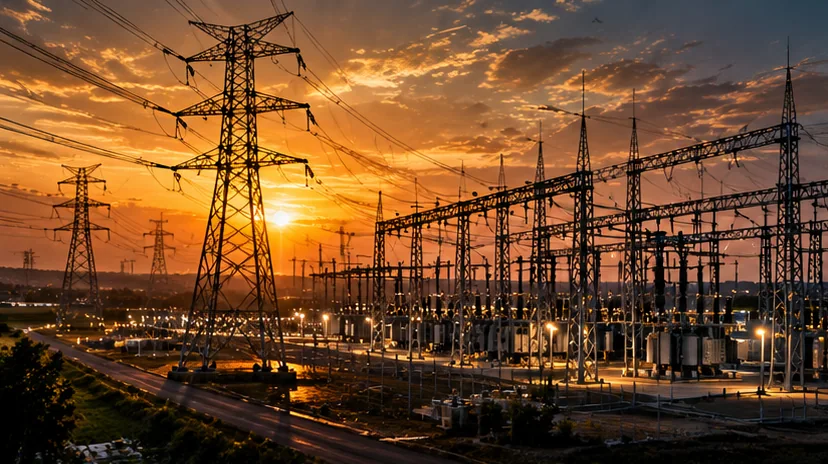
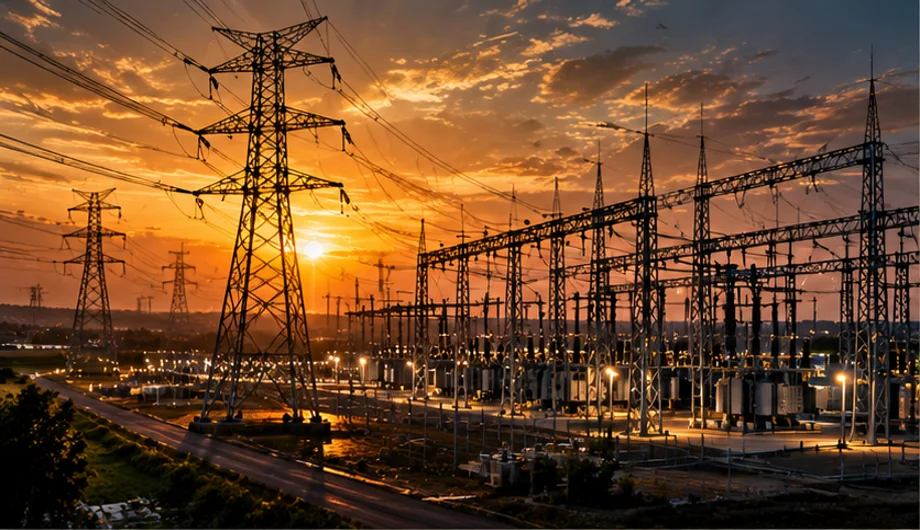
Thermal patterns may matter for transformers; vegetation, sag and field observations may matter for overhead lines; switchgear has different inspection evidence.
Do not promise outage reduction percentages until field baselines exist.
AI flags possible faults, but authorised utility personnel validate evidence, schedule interventions and approve critical actions.
An asset-health model becomes operationally useful only after it separates sensor noise from credible equipment risk.
Join temperature or vibration readings to age, operating stress, prior inspections and maintenance records. Check telemetry integrity first.
Present a ranked issue, reason, confidence and recommended inspection. A qualified operator approves interventions and records the outcome.